Upcoming Trade Show: Visit us May 18-20 at the SAMPE 2010 Conference and Exhibition (booth #644) at the Washington State Convention Center (Seattle, WA).

Accurate and Reproducible Test Specimens

The values obtained for mechanical testing are influenced by many factors, not least the actual material performance characteristics. Other influences can be the lamination, cure and sample preparation. The sample preparation is the influence which is most often overlooked in test houses. It is critiacl that the sample preparation methodology maintains parallelism, prevents micro-cracking, minimizes cutting marks and stops heat generation.

Parallelism

If parallelism is not maintained the test direction can move away from the 0 degree direction leaving open tow ends down the length of the sample. For example with compression tests a 1 degree angular variation can have a marked effect on the results.

Micro-cracking

Micro-cracking is caused by excessive vibration during the cutting process. This can be prevented by clamping the part securely, using a fine diamond blade (preferably on a bronze matrix) and applying water cooling. The water cooling will dampen vibration significantly, the bronze matrix in the wheel has a high brass content which provides self-lubrication.

Cutting Marks

Cutting marks act as stress concentrators during a test. The stresses running down the specimen as it is tested should be spread evenly across the sample allowing representative properties to be obtained. If a defect is present anywhere within the test area the stresses are forced around the defect (like a rock in a shallow stream, the water must flow around it but is bunched up against the rock). Cutting marks from such defects cause premature failures, particularly as stresses are greatest at the edges of the sample. To obtain a smooth edge it is necessary to maintain cutting speed and reduce vibration. Water cooling and firm clamping will as discussed previously reduce vibration. The cutting speed refers to the speed of rotation of the wheel and the rate at which the sample is cut. These must remain constant during the cutting process to ensure that the cutting wheel travels smoothly along the sample.

Heat Generation

Heat generation causes degradation of the resin matrix, brittleness and delamination. Obvious methods for reducing overheating are water cooling, allowing the heat energy generated to be dissipated and controlled cutting feeds.

The problems outlined above can be largely minimized in using the Labcut 5000 Series Precision Composite Plate Saw.

With the Extec Series 5000 Series Precision Composite Plate Saw, such variables as maximum cutting length, thickness and more can be specified when ordering. The saw itself has variable cutting and feed rates and when used in conjunction with a bronze matrix cutting wheel offers superb surface finish and accuracy as has been demonstrated. The sheet is clamped on either side of the cut. With the standard plate saw we can cut to an accuracy of 0.01mm and can test specimens straight off the saw. Parallelism can be as good as 0.1mm over 300mm.

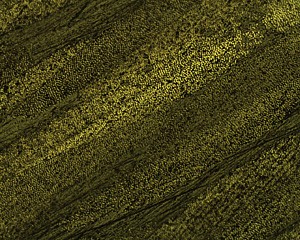
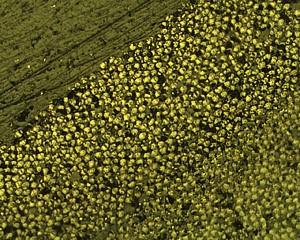
The micrographs below show the cut surface, at different magnifications, as taken from the Labcut 5000 Series Precision Composite Plate Saw without further treatment.

Cut Surface Magnification: 50x
Cut Surface Magnification: 200x

  • Aerospace, Automotive, Marine, Transportation
  • Ballistics, Defense & Security
  • Building/Construction, Infrastructure & Publics Works
  • Electrical, Electronics & Telecommunications
  • Consumer Goods & Business Equipment
  • Sports & Leisure, Wind Energy, and More

Industry Spotlight: Aviation

Airplane

Modern aviation, both military and civilian, is a prime example for use of composites. Demands made by the aviation industry for materials that are both light and strong have been the main force driving the development of composites. Learn More »